

Eat Real. Swap the Processed.
Trading industrial additives for single-ingredient foods doesn't require a lifestyle overhaul. Start with these simple, evidence-backed grocery swaps.


Simple Pantry Upgrades
Boxed Cereals to Whole Grains
Replace sugar-laden, factory-extruded flakes with steel-cut oats or ancient grains. Add fresh berries and raw honey for natural sweetness.
Industrial Seed Oils to Cold-Pressed
Ditch highly refined canola and vegetable oils. Upgrade to cold-pressed extra virgin olive oil or grass-fed butter for stable cooking.

The Spectrum of Processing
Real food vs industrial formulas
Not all processing is harmful. Basic cooking and freezing can preserve nutrition, pickling, kefir or sauerkraut are all fine along with many tinned products, but ultra-processing reshapes ingredients into synthetic products designed solely for shelf life.
Minimally Processed
Nature intact
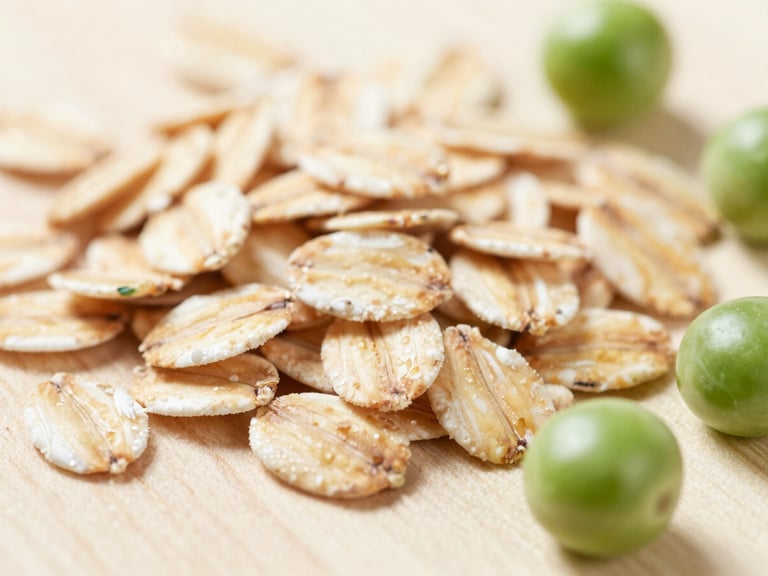
These are single ingredients altered only by drying, freezing, or milling. A frozen pea or stone-ground oat remains biologically recognizable to your body.
Ultra-Processed
Industrial formulations
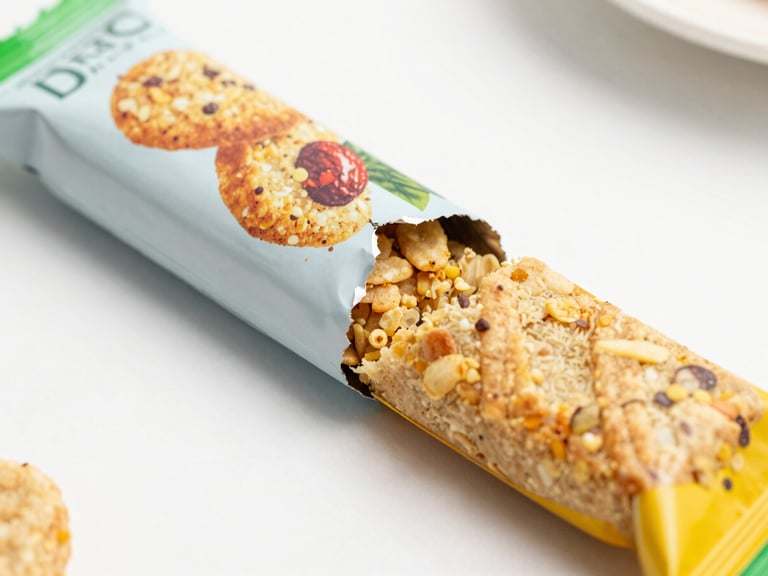
These are multi-ingredient mixtures created in factories. They combine cheap starches, industrial seed oils, and chemical additives to mimic the taste of real food
Single-ingredient, single-origin real food means eating whole, unprocessed items—like a single vegetable, fruit, grain, or cut of meat—that trace back to one specific, identifiable farm, estate, or geographic source without hidden additives or chemical processing
Your Single-Ingredient Kitchen
Transitioning to whole foods is easier when your pantry is stocked with versatile, unrefined staples. Use this simple checklist on your next market run.
Whole Grains
Cold-Pressed Fats
Real Flavors
Stock steel-cut oats, wild rice, and quinoa instead of boxed mixes.
Keep extra virgin olive oil, avocado oil, and grass-fed butter on hand.
Use sea salt, whole spices, and raw honey rather than artificial sauces.