Understand what you eat.
Modern food processing strips away nutrients and replaces them with synthetic formulations. Learn the critical difference between real food and industrial ingredients.
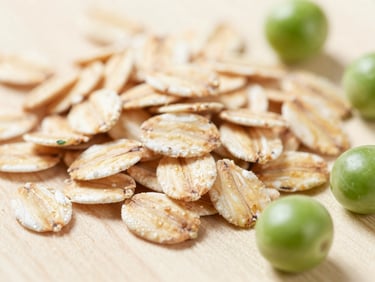
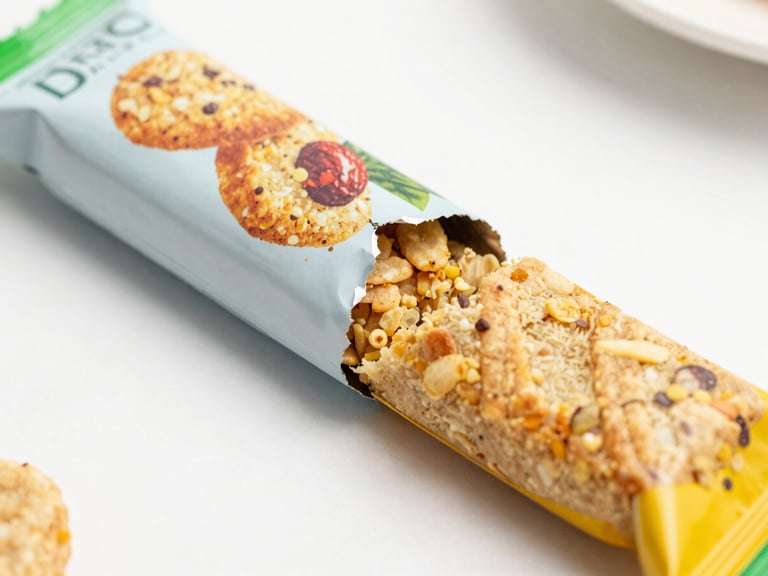

Real food vs industrial formulas
Not all processing is harmful. While basic cooking and freezing preserve nutrition, ultra-processing reshapes ingredients into synthetic products designed solely for shelf life.
Nature intact
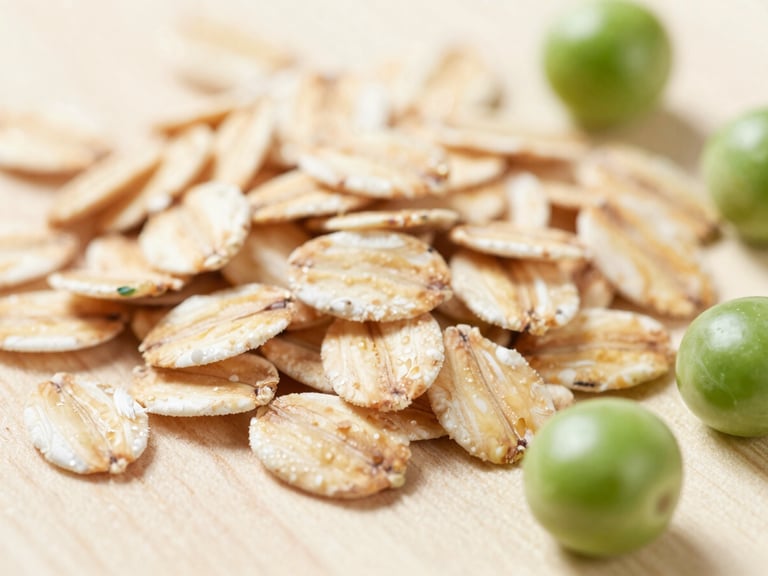
These are single ingredients altered only by drying, freezing, or milling. A frozen pea or stone-ground oat remains biologically recognizable to your body.
Industrial formulations
These are multi-ingredient mixtures created in factories. They combine cheap starches, industrial seed oils, and chemical additives to mimic the taste of real food.
If it belongs in a lab, it doesn't belong in your body.
Emulsifiers, artificial sweeteners, and cosmetic preservatives bypass your natural satiety signals, disrupt gut biology, and drive chronic inflammation. Real food requires none of them.
Ready for real food?
Take the first step toward whole-food eating with our simple, evidence-backed ingredient swaps.